
Disclosure: When you buy something using links from this blog post, we may earn a small commission at no additional cost to you. We are reader-supported, so thank you for the cup of coffee ☕.
In today’s sneaker market, authenticity is everything. With the rise of resale platforms and limited-edition drops, counterfeit sneakers have become increasingly common. That’s why marketplaces like Stadium Goods place a strong emphasis on authentication before any product reaches buyers.
If you’re shopping for high-demand sneakers from brands like Nike, Jordan Brand, or Adidas, understanding how authentication works can help you shop with confidence.
This guide explains how Stadium Goods authenticates sneakers and why their verification process matters for buyers and collectors.

Why Sneaker Authentication Is So Important
Sneakers have evolved far beyond simple footwear. Limited releases, collaborations, and celebrity endorsements have turned certain pairs into valuable collectibles.
Popular models like the Air Jordan 1 Retro High OG Chicago or the Adidas Yeezy Boost 350 V2 can sell for hundreds—or even thousands—of dollars on the resale market. Because of this demand, counterfeit versions have flooded online marketplaces.
Buying fake sneakers can lead to:
- Losing hundreds of dollars on a counterfeit pair
- Poor quality materials and construction
- Zero resale value
- No brand warranty or support
Authentication services exist to protect buyers from these risks.
What Is Stadium Goods?
Stadium Goods is one of the most recognized sneaker resale marketplaces in the world. The platform connects sellers and buyers for rare, limited-edition, and sold-out sneakers.
The company operates both online and through retail locations and has built a reputation for strict authentication standards. Every pair of sneakers sold on the platform goes through a verification process before being shipped to customers.
This extra layer of inspection helps ensure buyers receive genuine products.
How Stadium Goods Authenticates Sneakers
Before sneakers are listed for sale or shipped to buyers, they go through a multi-step verification process conducted by trained specialists.
1. Physical Inspection
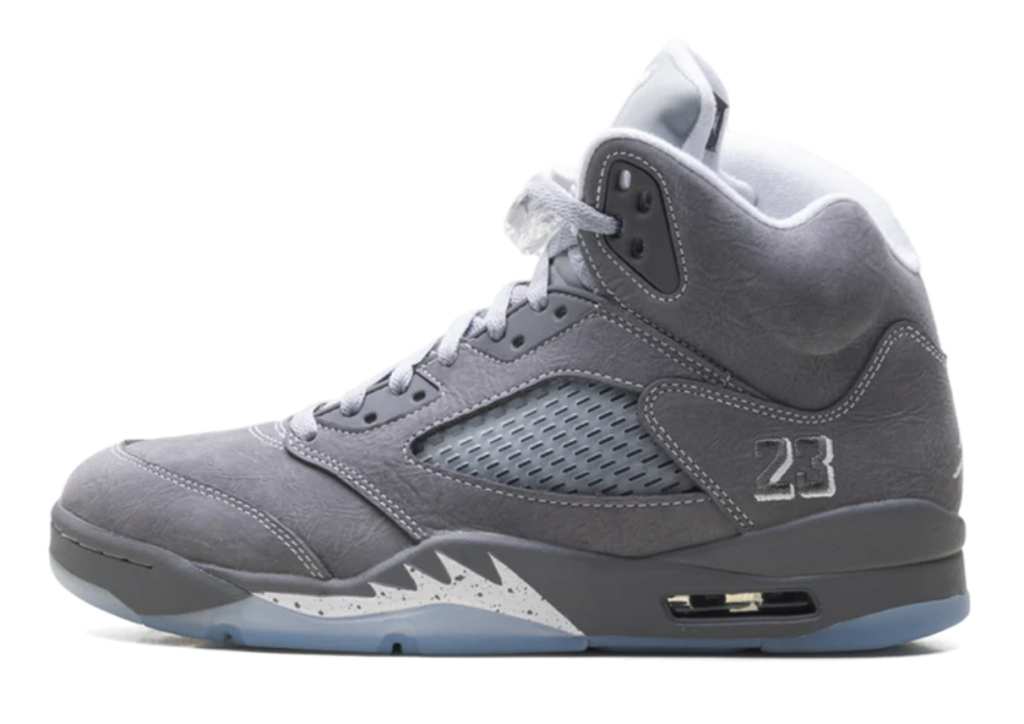
Each pair is examined by authentication experts who inspect:
- Stitching quality
- Materials and construction
- Color accuracy
- Shape and structure
Authenticators are trained to spot subtle differences between authentic and counterfeit sneakers, including inconsistencies that most buyers would never notice.
2. Packaging and Label Verification
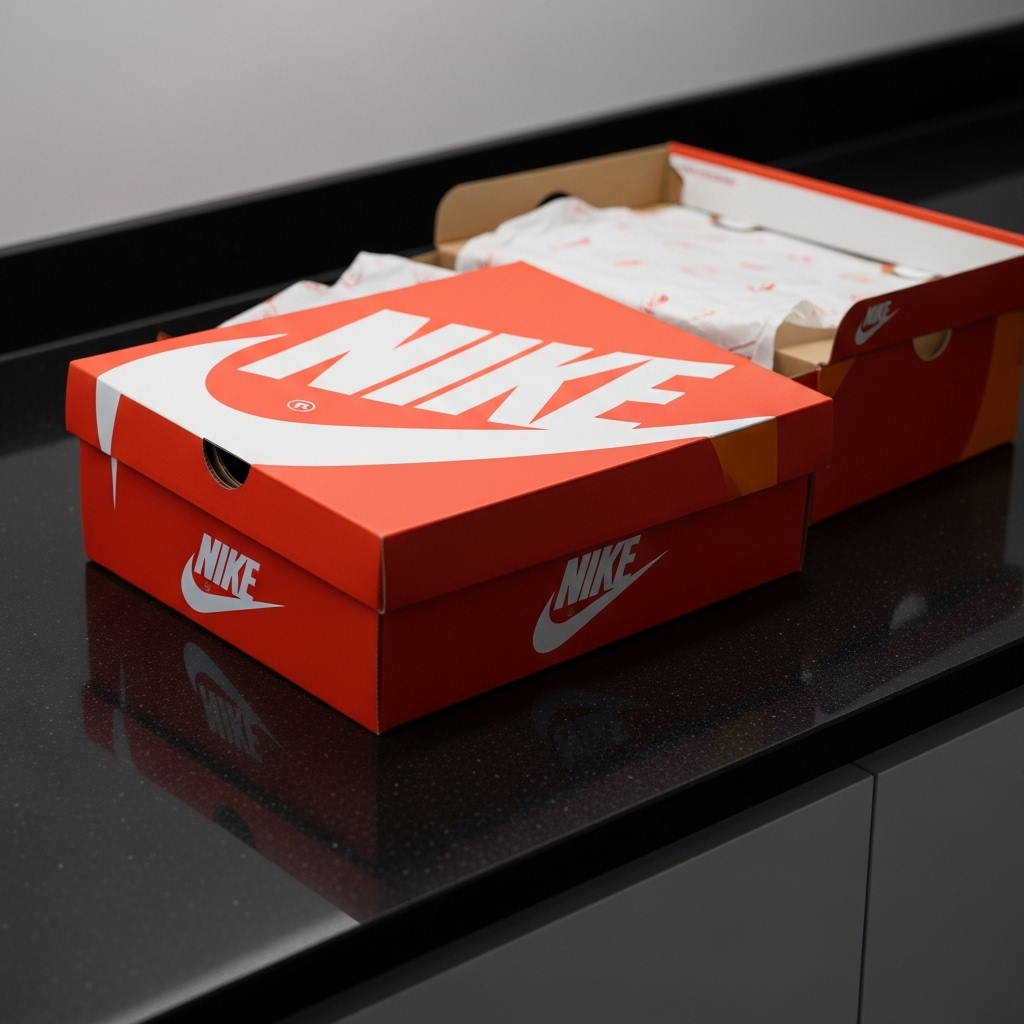
Authenticators also review:
- Shoe boxes
- Product labels
- SKU numbers
- Packaging details
Many counterfeit sneakers use incorrect fonts, misaligned labels, or inaccurate SKU codes. These small discrepancies can quickly reveal a fake.
3. Brand-Specific Authentication Checks

Different brands have unique features that authenticators examine closely.
For example:
- Nike sneakers often include specific stitching patterns and material textures.
- Jordan Brand pairs have recognizable logo placement and shape details.
- Adidas models like Yeezys have distinctive knit patterns and sole designs.
Authentication specialists are trained to recognize these details across hundreds of models.
4. Condition and Quality Review

In addition to verifying authenticity, inspectors evaluate the condition of the sneakers.
They check for:
- Signs of wear
- Damage or defects
- Packaging completeness
This helps ensure buyers receive products that match the listing description.
5. Final Approval Before Shipping

Only after passing all authentication checks are sneakers approved for sale and shipment. If a pair fails inspection, it never reaches the buyer.
This final step adds another layer of protection and helps maintain trust within the marketplace.
Why This Process Benefits Buyers
The authentication process provides several key advantages when shopping on resale platforms.
1. Confidence in Your Purchase
Buyers can shop knowing their sneakers have been verified by professionals before shipping.
2. Protection Against Counterfeits
With counterfeit sneakers becoming more sophisticated, expert authentication significantly reduces the risk of receiving a fake pair.
3. Reliable Resale Value
Authentic sneakers retain resale value. If you decide to sell later, verified pairs are far more desirable in the market.
Are All Sneakers on Stadium Goods Authentic?
While no system is perfect, Stadium Goods has built its reputation around authenticity. Their multi-step inspection process and team of experienced authenticators help ensure that the sneakers sold on the platform are genuine.
For collectors, sneaker enthusiasts, and casual buyers alike, this added security makes the marketplace a trusted destination for hard-to-find releases.